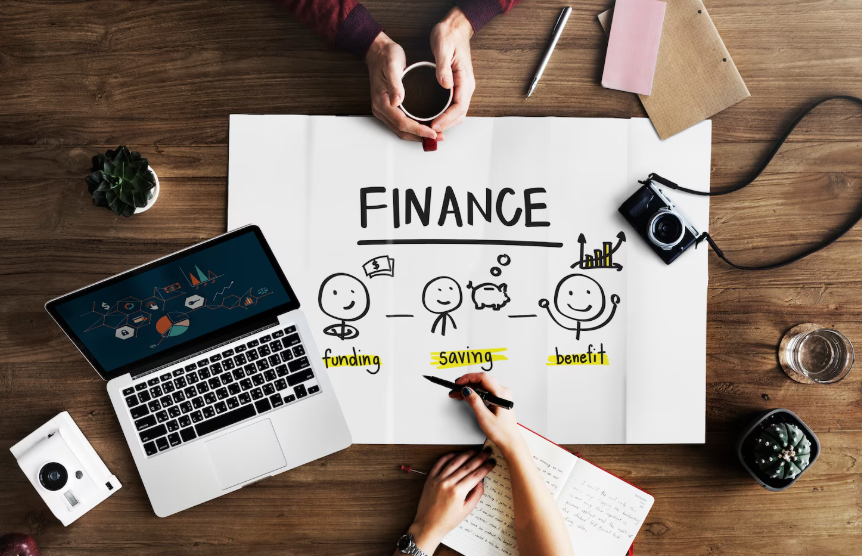
Financial Education is a vital life skill that helps individuals understand how money works and how to manage it effectively. It provides the knowledge and tools needed to make informed decisions about earning, spending, saving, investing, and planning for the future. In an increasingly complex financial world, financial education empowers people to take control of their finances and build a more secure and confident life.
Understanding Financial Education
Financial Education refers to the process of learning how to manage money wisely. It covers a wide range of topics, including budgeting, saving, debt management, investing, tax awareness, and financial planning. The goal of financial education is to help individuals develop the skills and confidence needed to make sound financial choices throughout their lives.
Financial education is not limited to formal classrooms. It can be learned through personal experience, family guidance, community programs, and self study. Regardless of how it is acquired, financial education plays a critical role in shaping responsible financial behavior.
Financial Education and Smart Decision Making
One of the greatest benefits of financial education is improved decision making. When individuals understand basic financial concepts, they are better equipped to evaluate options and consequences. This helps prevent impulsive spending, poor borrowing choices, and unrealistic financial expectations.
Financial education teaches people how to compare financial products, understand interest rates, and assess risk. With this knowledge, individuals can choose options that align with their goals and avoid costly mistakes. Informed decisions lead to greater financial confidence and stability.
Financial Education and Money Management
Effective money management is built on financial education. Learning how to budget, track expenses, and plan for future needs helps individuals stay in control of their finances. Financial education encourages awareness of income and spending patterns, making it easier to live within means.
Through financial education, people learn the importance of saving regularly and preparing for unexpected expenses. These habits reduce financial stress and create a sense of security. Money management skills developed through education support long term financial health.
Financial Education and Debt Awareness
Debt is a common part of modern life, but without financial education, it can become overwhelming. Financial education helps individuals understand how loans, credit cards, and interest work. This understanding promotes responsible borrowing and timely repayment.
By learning about debt management, individuals can avoid high interest traps and excessive borrowing. Financial education encourages strategic use of credit and helps people develop plans to reduce and eliminate debt over time.
Financial Education and Wealth Building
Financial education plays a key role in wealth building by teaching individuals how to grow money over time. Concepts such as investing, compounding, and risk management are essential for long term financial success. With proper education, individuals can make informed investment choices that align with their goals and time horizons.
Wealth building is not about quick gains but about consistent and informed decisions. Financial education helps individuals focus on long term growth and avoid unrealistic expectations or unnecessary risks.
Financial Education and Life Planning
Major life events such as education, marriage, home ownership, and retirement all involve financial decisions. Financial education helps individuals plan for these milestones with clarity and confidence. It provides a framework for setting goals, estimating costs, and creating realistic plans.
Life planning becomes more effective when supported by financial knowledge. Individuals who understand financial principles are better prepared to adapt to changes and make adjustments as circumstances evolve.
Financial Education and Economic Stability
On a broader level, financial education contributes to economic stability. When individuals manage money responsibly, there is less reliance on excessive debt and fewer financial crises at the household level. This stability strengthens communities and supports overall economic health.
A financially educated population is more likely to save, invest, and participate productively in the economy. Financial education promotes responsible citizenship and long term economic resilience.
Financial Education in the Digital Age
The digital age has expanded access to financial tools and information. Online banking, investment platforms, and digital payments offer convenience but also require financial understanding. Financial education helps individuals navigate digital finance safely and effectively.
With increased access comes increased responsibility. Financial education teaches individuals how to protect personal information, recognize scams, and make informed choices in a digital environment.
Financial Education and Confidence
Confidence is one of the most powerful outcomes of financial education. Understanding how money works reduces fear and uncertainty around financial decisions. This confidence allows individuals to take control of their financial future rather than feeling overwhelmed by it.
Financially educated individuals are more likely to plan ahead, seek opportunities, and make proactive decisions. This confidence supports independence and personal growth.
The Long Term Value of Financial Education
Financial education is a lifelong process. Financial needs and challenges change over time, and continuous learning helps individuals adapt. Revisiting financial knowledge and updating skills ensures ongoing relevance and effectiveness.
Investing time in financial education delivers long term benefits. It supports better decisions, improved stability, and greater freedom throughout life.
Conclusion
Financial Education empowers individuals to make better financial decisions and build a more secure future. It supports smart money management, responsible borrowing, and effective planning for life goals. By developing financial knowledge and skills, people gain confidence, stability, and control over their financial lives. Financial education is not just about money but about creating opportunities, reducing stress, and achieving lasting financial well being.